When people think about fencing, chain link isn't always the first style that comes to mind. Decorative metal fences, privacy fencing, and custom gates often get more attention. Yet chain link fencing remains one of the most common choices for commercial properties, industrial sites, schools, athletic facilities, and even some residential applications.
The reason is simple: it solves a lot of problems without adding unnecessary complexity.
If you're considering a new fence, it's worth understanding where chain link works well, where it falls short, and what factors should influence your decision.
What Makes Chain Link Fencing So Popular?
Chain link fencing has been around for decades because it provides a straightforward way to define boundaries and control access.
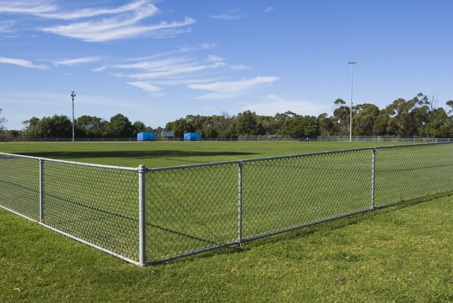
Unlike solid fencing materials, chain link creates a visible barrier without blocking sightlines. Property owners can monitor activity on both sides of the fence while still creating a clear perimeter.
Other reasons many property owners choose chain link include:
- Relatively quick installation
- Lower material costs compared to many alternatives
- Durability in varying weather conditions
- Minimal maintenance requirements
- Compatibility with gates and access-control systems
- Availability in different heights and configurations
For commercial properties, these benefits often make chain link one of the most practical fencing options available.
When a Chain Link Fence Is a Good Fit
Not every property has the same needs.
Chain link fencing tends to work best when security, visibility, and functionality matter more than privacy.
Common applications include:
Commercial Properties
Warehouses, office complexes, storage yards, and service facilities often use chain link fencing to define property lines and restrict unauthorized access.
Industrial Sites
Industrial facilities frequently need durable perimeter fencing that can cover large areas efficiently while allowing visibility throughout the property.
Schools and Recreational Facilities
Athletic fields, playgrounds, and school campuses commonly rely on chain link fencing because it helps maintain safety while preserving visibility.
Equipment and Storage Areas
Many businesses use chain link fencing to secure outdoor equipment, materials, or storage areas without creating blind spots.
Situations Where Another Fence Type May Be Better
Chain link isn't the right answer for every project.
If privacy is one of your primary goals, a solid fence material may make more sense.
You may want to explore other options if:
- You want complete backyard privacy
- Noise reduction is a major concern
- Architectural appearance is the top priority
- HOA requirements limit fencing styles
- You want a decorative focal point rather than a functional perimeter
The best fence is the one that aligns with how the property will actually be used.
Security Features You Can Add to Chain Link Fencing
Many people assume all chain link fences are identical.
In reality, chain link fencing can be customized to support different levels of security.
Depending on the property, features may include:
- Increased fence height
- Heavier-gauge materials
- Privacy slats
- Access-control gates
- Security gates
- Controlled entry points
- Commercial-grade locking systems
For businesses, these additions can significantly improve perimeter security while maintaining the practical advantages of chain link construction.
How Long Does Chain Link Fencing Last?
A professionally installed chain link fence can last for many years with relatively little maintenance.
Galvanized materials help resist corrosion, while routine inspections can identify minor issues before they become larger repairs.
Factors that influence lifespan include:
- Local weather conditions
- Material quality
- Installation quality
- Soil conditions
- Exposure to moisture and chemicals
- Frequency of use around gates and access points
Most property owners find that chain link offers a strong balance between longevity and affordability.
Maintenance Requirements Are Usually Minimal
One reason chain link fencing remains popular is that it generally requires less upkeep than many other fencing materials.
Unlike wood, chain link does not need routine staining or painting.
Maintenance often involves:
- Inspecting posts and connections
- Checking gate operation
- Removing vegetation growing through the fence
- Addressing damage after storms or impacts
Simple inspections performed throughout the year can help keep the fence functioning properly.
Questions to Ask Before Choosing a Chain Link Fence
Before moving forward with any fencing project, it's helpful to think through your goals.
Ask yourself:
- What am I trying to secure?
- Do I need visibility or privacy?
- How much foot or vehicle traffic will pass through the area?
- Will I need access-control features?
- What height is appropriate for the property?
- Are there local regulations or property requirements to consider?
The answers can help determine whether chain link is the right solution or if another fencing style would better fit your needs.
Considering a Commercial Fencing Project?
Chain link fencing continues to be one of the most practical options for commercial and industrial properties because it balances security, visibility, durability, and cost. However, the right design depends on how the property is used, the level of access control needed, and long-term goals for the site.
If you're evaluating commercial fencing options, professional guidance can help you choose the right fence height, layout, gates, and security features for your property.
For help planning a commercial fencing project, contact S&S Fence & Fab at (805) 307-5128 or through our online contact form.